Preparation is the part of a paint job that nobody sees and everybody feels later. Taking old, failing paint back to a stable surface is what makes a new finish last. It is slow, careful work, and it is where most of the result is decided.
Get a Free On-Site Quote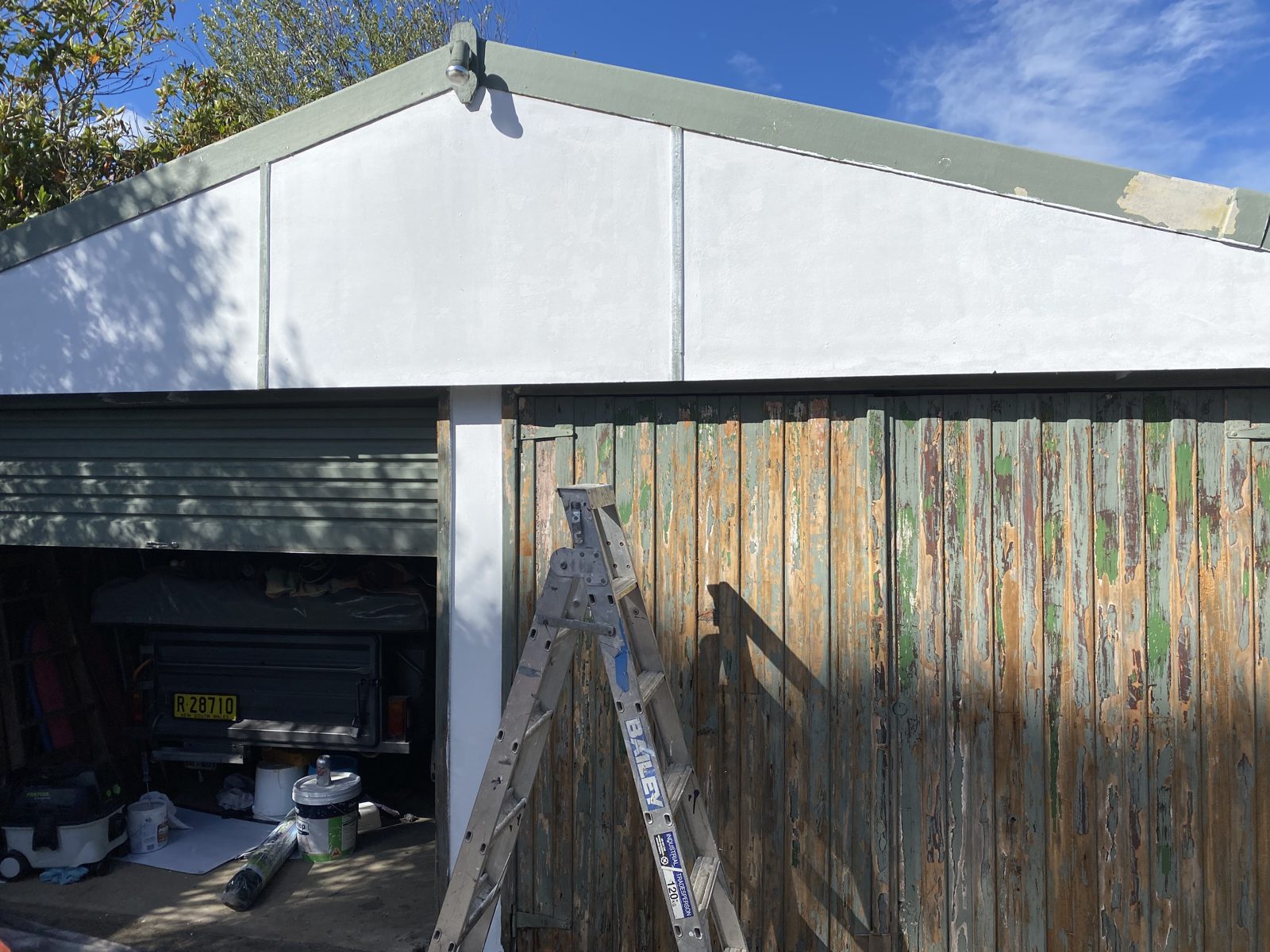
Layers of old paint build up on a home over the years, and some of it has quietly lost its grip. New paint is only ever as good as the layer it sits on, so painting over failing paint just carries the problem forward.
Take the failing paint back to a stable surface and the finish lasts. Skip it and you are painting over a problem.
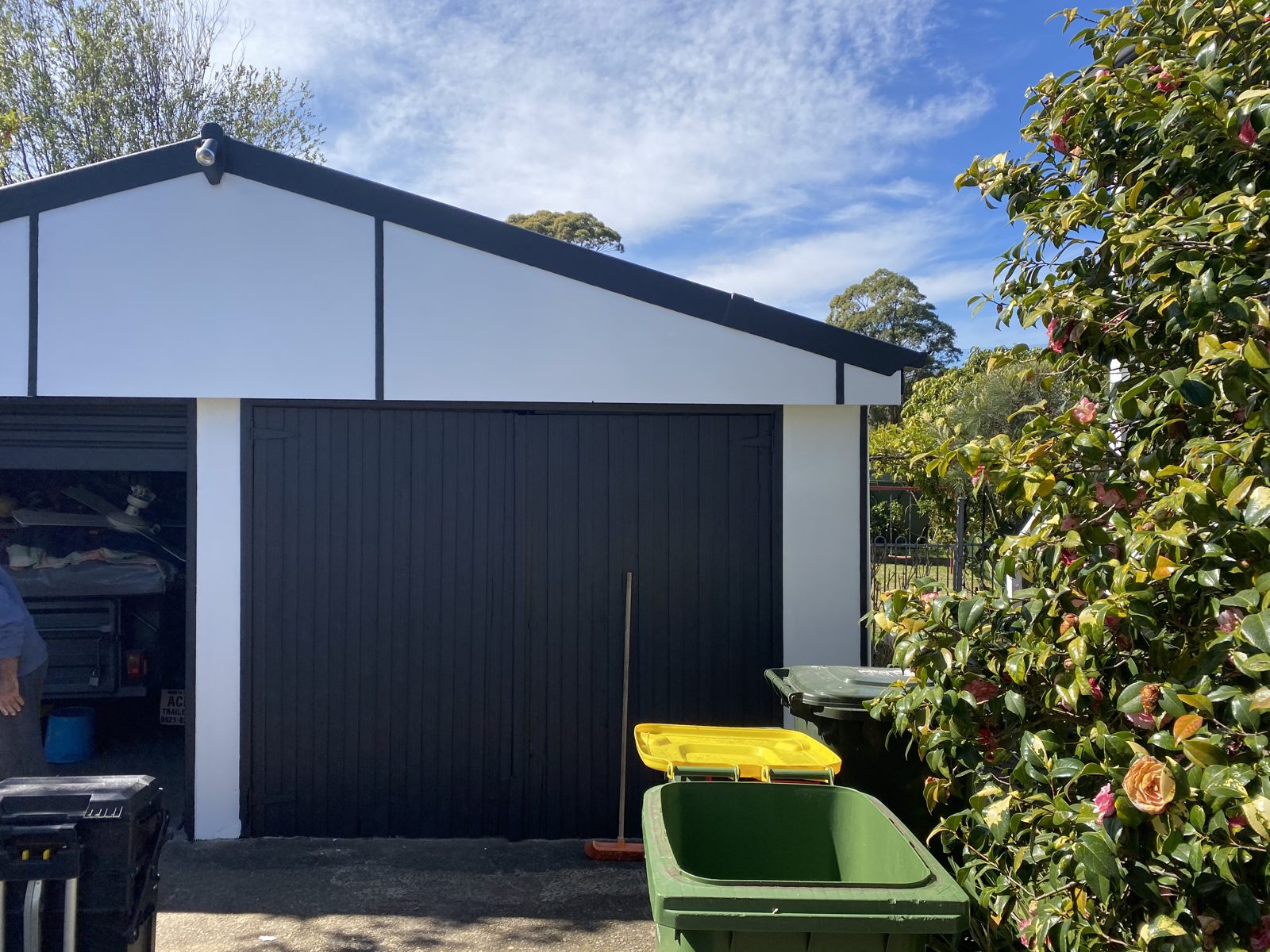
We take old coatings back using methods suited to the material underneath, whether that is timber, render or masonry.
Homes painted before the 1970s can carry lead-based paint. Where that is a risk it needs to be handled carefully and cleaned up properly, not sanded away into the air and the garden.
We check what is sound and what has failed, so we only strip as far as the surface needs.
Failing paint is removed with the right method for the material and cleaned up properly.
We fill, repair and smooth the surface so it is ready to hold a finish.
A suitable primer goes on so the finishing coats have a reliable base.
| Surface | Approach | Result |
|---|---|---|
| Timber | Strip, sand and prime, repair where needed | A sound base for a lasting finish |
| Render | Remove failed paint, make good, prime | An even surface ready for coating |
| Masonry | Clean back, treat, use breathable products | A wall that can still move moisture |
Not always. Where the existing paint is sound we can prepare and paint over it. We only strip back as far as the surface needs.
It can be. Homes painted before the 1970s may have lead-based paint, which is why safe removal and clean up matter. We take this seriously on older homes.
We take on strip back and preparation for homes right across Sydney, from the terraces of Paddington to the period homes of Hunters Hill. A few of the areas we cover:
Book a free, no obligation on-site visit. Whether it is one room or the whole house, we look at it in person and give you a clear quote.
Book Your Free Quote